Friday, November 20, 2026 09:51 PM

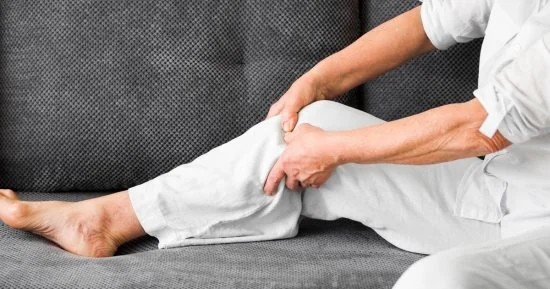
Hip bursitis is a condition that can cause significant pain and difficulty moving, particularly when walking or lying on the affected side. Its symptoms may resemble those of hip osteoarthritis, making an accurate diagnosis important for choosing the appropriate treatment.
According to Harvard Health, hip bursitis and hip arthritis are common causes of hip pain and stiffness. Although their symptoms can overlap, they affect different parts of the hip and may require different treatment approaches.
What Is Hip Bursitis?
Hip bursitis occurs when one of the small, fluid-filled sacs surrounding the hip joint becomes inflamed. These sacs, known as bursae, help tissues move smoothly against one another.
The bursa located on the outer side of the hip, near the greater trochanter of the femur, is particularly vulnerable. This condition is sometimes called trochanteric bursitis.
Tendons connecting muscles to bones near the outer hip can also become irritated or inflamed, resulting in a separate condition known as hip tendinitis, which may be confused with bursitis.
What Is Hip Osteoarthritis?
Osteoarthritis is the most common cause of degenerative hip joint disease. It develops when the protective cartilage covering the joint gradually wears down.
Healthy cartilage allows smooth movement, provides stability, and absorbs shock. As it deteriorates, friction can increase, leading to inflammation, discomfort, and difficulty moving the hip.
Osteoarthritis differs from rheumatoid arthritis, an autoimmune condition in which the immune system mistakenly attacks the joints and may affect several parts of the body.
The Difference Between Hip Bursitis and Arthritis
Hip bursitis affects the small fluid-filled sacs around the joint, usually on the outer side of the hip. Hip osteoarthritis affects the joint itself, deep inside the hip near the groin.
Bursitis may improve relatively quickly with rest and appropriate treatment. Osteoarthritis, however, is a chronic and progressive condition because worn cartilage does not grow back, although its symptoms can be managed.
Where Is the Pain Located?
Hip bursitis usually causes pain on the outer side of the hip, which may become worse when lying on the affected side.
Hip osteoarthritis typically causes deeper pain near the groin. Discomfort may occur while walking, climbing stairs, or performing everyday activities.
Pain from either condition can spread to surrounding areas, making it difficult to identify its exact source. Both conditions can also occur simultaneously, causing discomfort throughout the hip region.
Causes of Hip Bursitis and Osteoarthritis
Hip bursitis may develop following an injury, such as a fall or direct impact to the hip. Repetitive movements that place stress on the area can also contribute, including running, cycling, and lifting heavy objects at work.
In some cases, there may be no single identifiable cause.
Hip osteoarthritis develops as cartilage gradually deteriorates. Common risk factors include aging, genetic predisposition, previous hip injuries, overweight, and obesity.
Treatment Options
Treatment for hip bursitis depends on symptom severity. Mild cases can often be managed by avoiding activities that worsen the pain, resting, and using anti-inflammatory medications as directed by a healthcare professional.
Physical therapy is also important for strengthening the hip and surrounding muscles and improving symptoms.
Treatment for hip osteoarthritis varies according to the condition and its severity. Lifestyle changes, avoiding painful activities, weight loss when necessary, and warm compresses may help.
Doctors may also recommend physical therapy, anti-inflammatory medications, or mobility aids such as a cane to reduce pain and improve daily movement.
اليوم الثامن مصدرك الاول لأخبار مصر العاجلة والحوادث والبرلمان وأسعار الأسواق تابع أخبار المحافظات والاسلاميات والمقالات لحظة بلحظة
© AD Brand. All Rights Reserved. Designed by Adbrand Agency
 حسين ابو العلا